Reversing Algorithmic Search Drops Using Deep Server Log Analysis
A Forensic SEO log audit is a specialised technical process that pinpoints the exact URLs and server responses where search engine crawlers abandon a Kenyan .co.ke domain.
The audit offers the raw data needed to reverse algorithmic search drops by sifting through server access logs.
This analysis provides a definitive record of crawler behaviour, identifying the precise abandonment points and error patterns that superficial audits, which rely on third-party crawlers, struggle to detect. This server-level data provides the foundation for organic traffic recovery in 2026.
What Log Data Indicates Crawler Abandonment for .co.ke Domains?
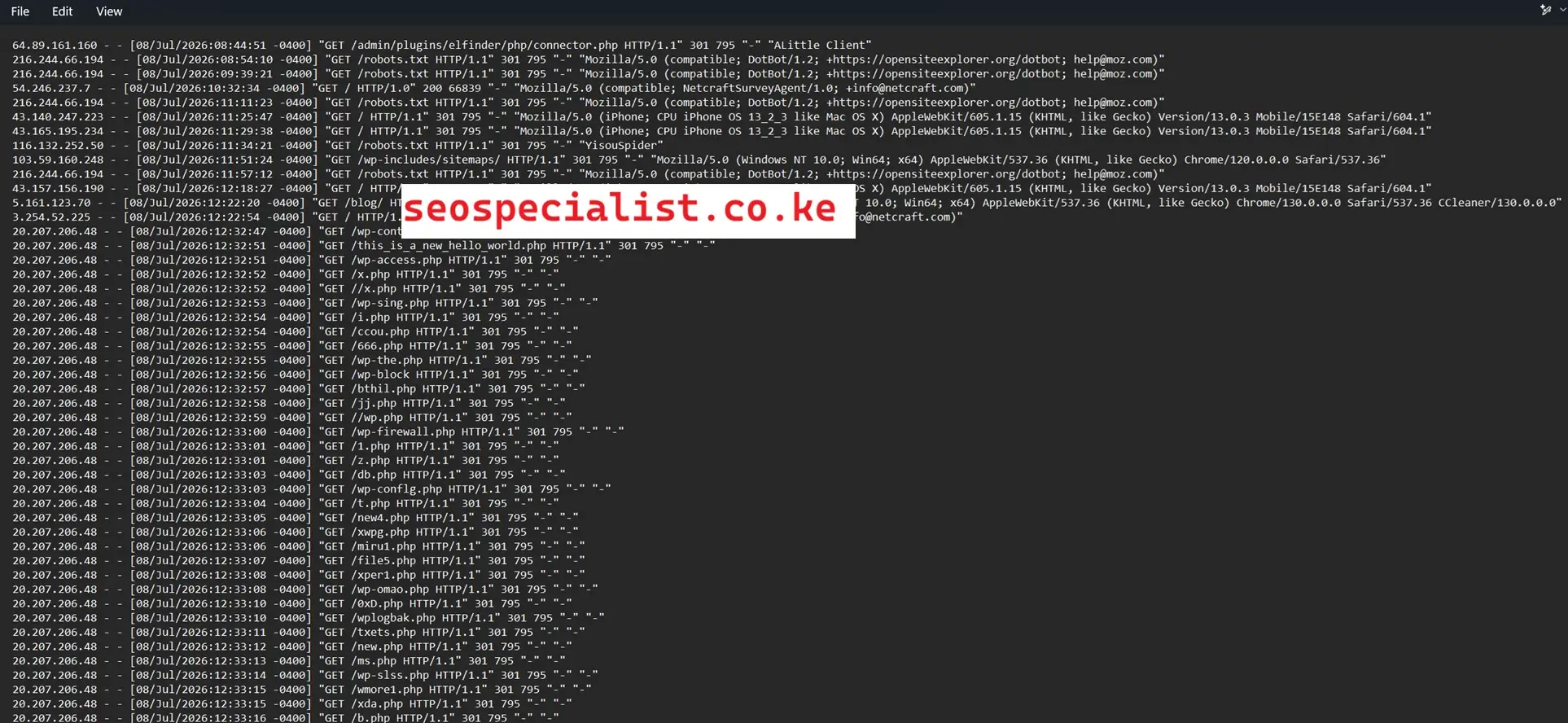
The primary data points in server logs that indicate crawler abandonment are HTTP status codes, user-agent strings, and the sequence of request URLs with their corresponding timestamps.
Analysis of these elements reveals the exact point where a search engine bot, identified by its user-agent string (e.g., Googlebot), halts its crawl of a .co.ke domain.
A log might show Googlebot successfully requesting pages with 200 OK status codes, then encountering a series of 5xx server errors or 4xx client errors.
Tracking the timestamps and URLs maps this journey and pinpoints the specific problematic page or directory that triggered the abandonment, providing a clear, evidence-based starting point for remediation.
Deep Log Analysis vs. Standard Technical SEO Audit
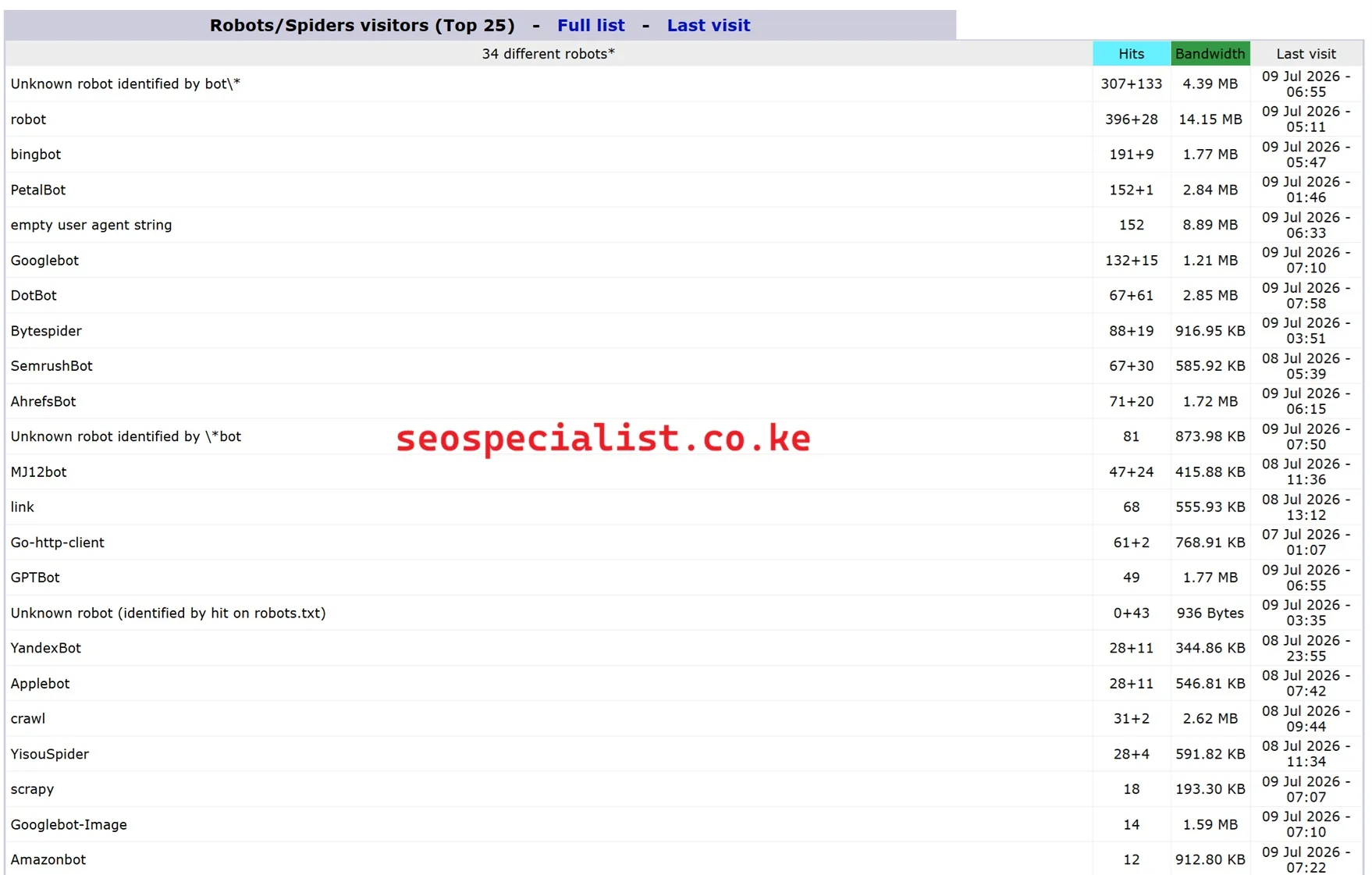
A forensic log audit and a standard technical SEO audit differ in their source of truth. A standard audit uses third-party tools to crawl a site, simulating how a search engine might behave.
This approach identifies potential problems a crawler could find, such as broken links or missing tags, but provides a simulation, not a direct record of actual Googlebot behaviour on a live server.
A deep server log analysis examines the raw, historical data of actual crawler interactions. The analysis reveals issues difficult to detect with client-side crawls, such as intermittent server errors (5xx codes) that occur under load, crawl budget waste on non-essential URLs, or rendering issues specific to Google's crawlers.
A standard audit reports what is broken (e.g., "you have 50 broken links"). A log analysis explains why rankings may have dropped (e.g., "Googlebot encountered a cascade of 503 errors on your primary category pages during its last three visits, causing it to abandon the crawl and contributing to the de-indexing of those URLs").
This precision enables a faster, more accurate recovery for revenue-critical .co.ke websites.
The Forensic SEO Log Audit Process for Kenyan .co.ke Domains
Conducting a forensic SEO log audit is a structured engineering process designed to extract actionable signals from high-volume data.
The methodology is systematic and tailored to the specifics of Kenyan hosting environments and .co.ke domain structures.
Data Acquisition and Verification
The process begins with secure data acquisition, obtaining unsampled, raw server access logs (e.g., Apache, Nginx) while respecting data privacy norms.
We then parse and filter these multi-gigabyte files to isolate traffic from legitimate search engine crawlers, differentiating Googlebot and Bingbot from human users and malicious bots.
This step involves reverse DNS lookups to verify bot identity.
Crawl Pattern and Correlation Analysis
The analysis phase involves mapping crawl patterns to identify which sections of a site receive the most attention and which are neglected.
We correlate crawl activity with dates of known algorithmic updates and reported traffic drops. Analysing HTTP status codes, server response times, and request frequency builds a model of the site's technical crawlability and pinpoints resource consumption issues.
This phase specifically considers potential latency or configuration issues common with local Kenyan server providers, ensuring the analysis is contextually relevant.
Actionable Outcomes of a Forensic Log Audit
The primary outcome from a forensic log audit is a prioritised list of engineering-led recommendations designed for immediate impact on crawler accessibility and organic traffic. These are specific, data-backed fixes for teams in Nairobi, Mombasa, or across Kenya.
Recommendations typically include server configuration adjustments to eliminate specific 5xx errors that terminate crawls, and precise rules for robots.txt to block parameter-heavy URLs that deplete crawl budget.
Log data showing that key revenue-driving pages receive few visits from Googlebot will prompt recommendations for specific internal linking improvements to guide crawlers to these high-value assets.
Each recommendation is directly tied to a business objective, translating technical fixes into measurable recovery of KPIs like online sales or lead generation.
Integrating Log Analysis Findings with SEO Strategies for Kenyan Sites
Log audit insights inform and validate a broader SEO strategy, providing a ground truth that refines every other technical SEO activity. The data validates and contextualises crawl statistics reported in Google Search Console, revealing the "why" behind GSC's numbers.
Findings directly influence Core Web Vitals work. Logs showing slow server response times (Time to First Byte) on specific page types point to the root cause of a poor Largest Contentful Paint (LCP) score.
Log analysis is important for mobile-first indexing in the Kenyan market, with its high mobile usage. Logs can show if Googlebot's mobile crawler is failing to render content or encountering errors on mobile-specific resources.
This is relevant for Kenyan e-commerce sites, where poorly optimised M-Pesa or WhatsApp Business API integration pages can consume crawl budget and cause crawlers to abandon before reaching key product URLs.
What Data Is Required for a Successful Log Audit?
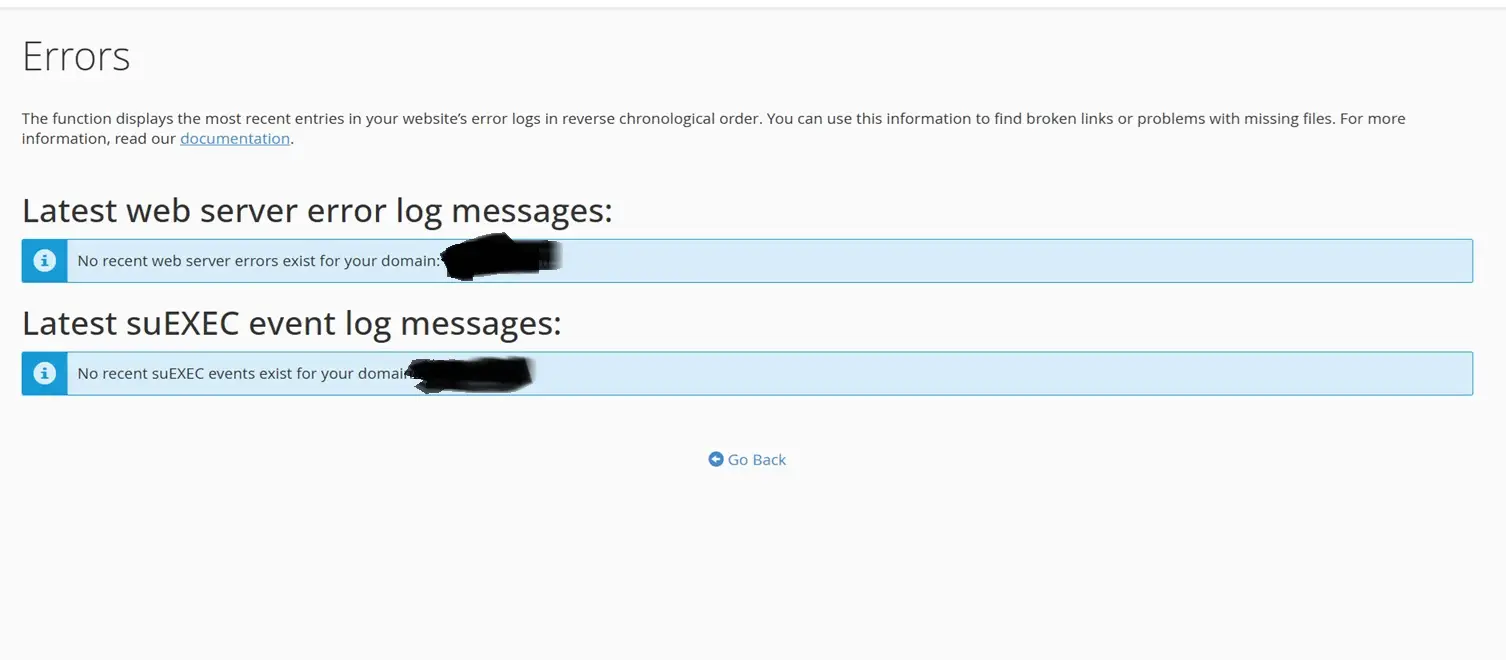
A successful forensic SEO log audit requires specific, high-quality data and appropriate access permissions.
The core requirement is unsampled, raw server access logs, typically from Apache or Nginx, with a retention period of at least 30 to 90 days to analyse trends before and after a traffic drop.
We require secure, read-only access to retrieve these log files. To correlate crawler activity with performance, we also need read-only access to Google Search Console and Google Analytics 4 (GA4).
Providing a current XML sitemap is helpful for context, but no pre-audit data clean-up is necessary; the goal is to analyse the logs in their raw state to find the root cause of the problem.
Pinpointing Exact Crawler Abandonment on Kenyan .co.ke Domains
The unique value of a forensic log audit for a Kenyan .co.ke domain is its ability to move beyond aggregated metrics and pinpoint specific, local technical inefficiencies.
Standard tools might report a high crawl rate, but a log audit can reveal this activity is concentrated on low-value pages, leaving critical revenue-generating sections undiscovered or infrequently updated in Google's index.
This granular analysis uncovers issues unique to the local market. A standard crawl of a Kenyan e-commerce site might show that the M-Pesa payment gateway pages return a 200 OK status code.
The log files, however, may reveal that due to a server-side misconfiguration, Googlebot is crawling thousands of variations of these transactional pages.
This activity consumes the entire crawl budget, meaning the bot leaves the site before it can re-crawl and index new product pages. This is a classic case of crawler abandonment caused by a local integration, an issue that is difficult to diagnose without deep log analysis.
What Is the Investment for a Deep Log Audit for .co.ke Domains?
| Factor | Impact on Cost & Time | Typical Kenyan Scenario |
|---|---|---|
| Log File Volume | Higher traffic generates larger log files, requiring more processing time and resources. | A high-traffic e-commerce or media site in Kenya will have larger logs than a B2B services site. |
| Site Complexity | Complex sites with many templates, parameters, and subdomains require more detailed segmentation. | A .co.ke domain with multiple language versions and faceted navigation is more complex than a simple corporate website. |
| Analysis Depth | Correlating log data with GSC, Analytics, and server performance data adds to the timeline. | A quick diagnostic has a different scope and timeline compared to a full pre/post migration analysis. |
How to Implement Log Audit Recommendations for Recovery
The delivery of the audit report begins the recovery process. Implementing the findings requires a structured approach and collaboration between technical teams.
Prioritisation and Deployment
The first step is to prioritise recommendations based on a matrix of potential impact versus implementation effort. High-impact, low-effort fixes, such as correcting a critical robots.txt rule, should be addressed immediately.
Monitoring and Iteration
Implementation should be iterative. A team deploys a set of changes, then monitors the log files and Google Search Console to measure the impact on crawler behaviour.
This data-driven feedback loop ensures that changes produce the intended effect. Functional implementation relies on close collaboration between the SEO practitioner, the development team executing server-side changes, and the IT team managing the infrastructure.
This unified effort translates the audit's insights into a sustained recovery of organic traffic and revenue.
How to Procure Log Analysis Services for .co.ke Domains
Reversing a significant algorithmic search drop requires a precise, evidence-based diagnosis. A forensic SEO log audit provides this clinical level of detail.
The technical complexity of parsing large log files and interpreting crawler patterns means that working with a technical SEO specialist is an efficient path to resolution.
Kenyan businesses operating on .co.ke domains find that an external expert brings the necessary tools and methodology, along with an objective perspective free from internal biases.
This service is a strategic investment to protect and recover a primary marketing channel. If organic traffic has declined and standard audits have not provided a clear answer, a forensic log audit is the logical next step.
Contact us to schedule a consultation to determine if a deep log analysis is the correct solution for your website.